


Orthodontic treatment at Ortho Karel does not begin without a thorough and careful preparatory process. By following a structured trajectory, we create a personalized treatment plan for you or your child. Our goal is not only to achieve beautifully straight teeth, but also an ideal bite with harmony between the upper and lower jaw and a long-lasting result.
Initial Consultation

During the initial consultation, you will meet the orthodontist. A first assessment of the position of the teeth and jaws will be carried out. Based on this evaluation, you will receive preliminary advice regarding the recommended treatment and the most suitable time to begin.

Comprehensive Documentation

To make an accurate diagnosis, we carry out a comprehensive documentation. This includes taking photographs, X-rays, and a digital 3D scan of the teeth. This information forms the basis for a thorough analysis of the teeth and facial structure.
Treatment Plan Discussion

Using all collected information, we create a personalized treatment plan. During the treatment plan discussion, we will explain the proposed treatment in detail, including the types of orthodontic appliances to be used, the expected treatment duration, and the associated costs.
Treatment

The treatment is carried out with great care and fully tailored to your personal situation. During regular check-up appointments, we closely monitor progress and make adjustments where necessary. You will also receive clear instructions and advice to help ensure the treatment process runs as smoothly as possible.
Retention

After treatment has been completed, it is important to maintain the achieved results. For this reason, we provide retention appliances such as fixed retainers and night retainers. Regular check-ups and proper maintenance are essential to preserving your straight teeth and beautiful smile in the long term.
Register yourself
or your child..
Wij hebben je inschrijving ontvangen.
We nemen binnenkort contact met u op

Treatment
with Braces
In our orthodontic practice, we use different types of braces to improve the alignment of teeth and jaws.
Which type of braces is needed depends on your or your child's teeth and general development. Below, we briefly explain the most common types of braces.
To prevent damage to the teeth during orthodontic treatment, it is important to pay extra attention to brushing. For more information about keeping teeth clean while wearing braces, you can visit beugel.nl.
Removable Plate Appliance (Bite Plate or Expansion Plate)
What is a plate appliance?
A plate appliance, also known as a bite plate or expansion plate, is a removable orthodontic appliance mainly made of acrylic and sometimes containing metal components. The appliance rests against the palate or lower jaw and may contain a screw to make small adjustments to the position of the teeth or the width of the dental arch.
Why would you need a plate appliance?
A plate appliance is used to make minor corrections to the teeth, such as creating additional space or improving the bite. Because the appliance is removable, it is important that it is worn according to the orthodontist’s instructions.
Functional Appliance (Activator)
What is a functional appliance?
A functional appliance, also known as an activator, is a removable orthodontic appliance used to influence the growth and position of the jaws. The appliance is mainly made of acrylic and may contain metal parts. It is primarily used for growing children.
Why would you need a functional appliance?
A functional appliance is prescribed when there is an abnormal relationship between the upper and lower jaw. This is often the case with an overbite (when the upper teeth protrude too far or the lower teeth are positioned too far back). The orthodontist will determine the right moment to guide jaw growth and help limit the need for more extensive treatment later on.
Palatal Expander (Hyrax)
What is a palatal expander?
A palatal expander, also known as a Hyrax appliance, is a fixed orthodontic appliance used to widen the upper jaw. The appliance is attached to the molars and contains a small screw mechanism in the middle of the palate. By turning this mechanism regularly, the upper jaw can gradually be widened.
Why would you need a palatal expander?
A Hyrax appliance is used when the upper jaw is too narrow. This can cause a lack of space in the mouth or a crossbite. Widening the upper jaw creates more room for the teeth and helps the bite fit together more properly.
Herbst Appliance
What is a Herbst appliance?
A Herbst appliance is a fixed orthodontic appliance used to guide the lower jaw forward. The appliance consists of metal components attached to the upper and lower molars, connected by small hinge mechanisms.
Why would you need a Herbst appliance?
The Herbst appliance is usually used when the lower jaw is positioned too far back in relation to the upper jaw. By gradually guiding the lower jaw forward, the relationship between the jaws can improve.
Headgear (Cervical Headgear)
What is a headgear?
Headgear, also known as cervical headgear, is an orthodontic appliance that is partly worn outside the mouth. The appliance consists of a metal bow connected to braces inside the mouth and a strap worn behind the neck.
Why would you need a headgear?
Headgear is used to influence the growth of the upper jaw or to create additional space for teeth that still need to erupt. This appliance is usually worn in the evenings and during sleep.
Braces (Fixed Braces)
What are fixed braces?
Fixed braces consist of small brackets attached to the teeth and connected with a metal wire. The wire gradually moves the teeth into the correct position.
Why would you need fixed braces?
Fixed braces are used to straighten teeth and improve the bite. With the help of the wire and regular adjustments, the orthodontist can gradually move the teeth into the correct position.
Aligners (Clear Aligners / Invisalign)
What are aligners?
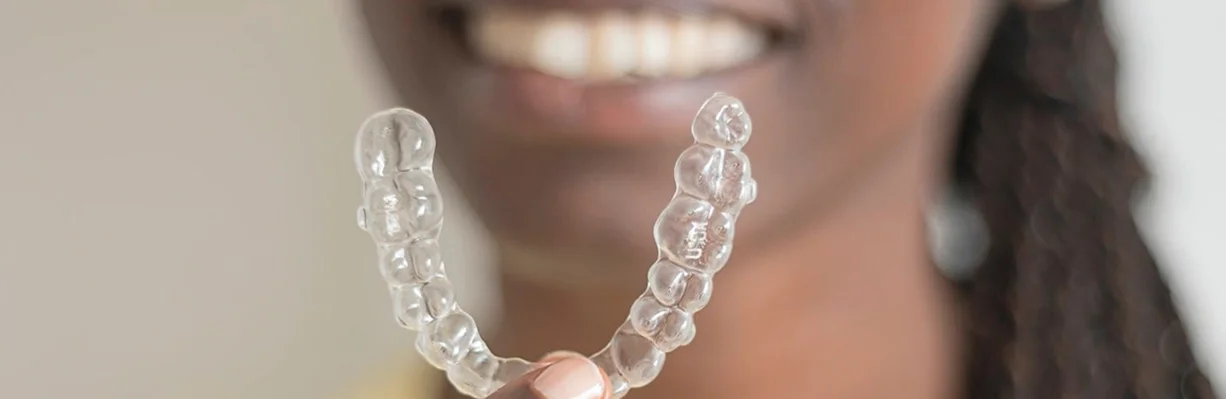
Aligners are transparent, removable trays that fit precisely over the teeth. They are custom-made and worn as a consecutive series, with each aligner gradually moving the teeth by a small amount. In this way, the teeth are guided step by step into the desired position. For better grip and control, small tooth-colored attachments are often bonded to the teeth.
Why would you need aligners?
Aligners are used to straighten teeth and correct mild to moderate irregularities in tooth alignment. Because they are removable, they can easily be taken out for eating and brushing your teeth. Regularly changing the aligners and attending check-ups with the orthodontist ensures a gradual and controlled correction.
Fixed retainers (Retention Wire)
What are retainers?
A retainer, also known as a retention wire, is a thin metal wire attached to the back of the teeth. The wire is invisible from the outside and usually remains in place for a long time.
Why would you need a retainer?
After orthodontic treatment, teeth can shift back to their original position. The retention wire helps keep the teeth in their new position so that the treatment results are maintained.
Night Retainer (Orthodontic Invisible Retainer)
What is a night retainer?
A night retainer, also known as an Orthodontic Invisible Retainer, is a transparent removable appliance worn over the teeth. The appliance resembles a thin tray that fits precisely over the teeth and is virtually invisible.
Why would you need a night retainer?
A night retainer is usually worn after orthodontic treatment. Wearing the appliance at night helps keep the teeth in their new position.
Costs
Karel does not determine the prices, only the level of care. For current rates, please visit the NZA (Dutch Healthcare Authority).
Orthodontic treatment is not usually covered by standard health insurance. We recommend carefully checking which conditions apply to your insurance policy. Please contact your insurance provider for more information. For additional information about reimbursements, please visit: www.vergelijkmondzorg.nl
The average cost of orthodontic treatment is approximately €3,000–€3,500.
Orthodontic treatment at Ortho Karel does not begin without a thorough and careful preparatory process. By following a structured trajectory, we create a personalized treatment plan for you or your child. Our goal is not only to achieve beautifully straight teeth, but also an ideal bite with harmony between the upper and lower jaw and a long-lasting result.
Initial Consultation
During the initial consultation, you will meet the orthodontist. A first assessment of the position of the teeth and jaws will be carried out. Based on this evaluation, you will receive preliminary advice regarding the recommended treatment and the most suitable time to begin.
Comprehensive Documentation
To make an accurate diagnosis, we carry out a comprehensive documentation. This includes taking photographs, X-rays, and a digital 3D scan of the teeth. This information forms the basis for a thorough analysis of the teeth and facial structure.
Treatment Plan Discussion
Using all collected information, we create a personalized treatment plan. During the treatment plan discussion, we will explain the proposed treatment in detail, including the types of orthodontic appliances to be used, the expected treatment duration, and the associated costs.
Treatment
The treatment is carried out with great care and fully tailored to your personal situation. During regular check-up appointments, we closely monitor progress and make adjustments where necessary. You will also receive clear instructions and advice to help ensure the treatment process runs as smoothly as possible.
Retention
After treatment has been completed, it is important to maintain the achieved results. For this reason, we provide retention appliances such as fixed retainers and night retainers. Regular check-ups and proper maintenance are essential to preserving your straight teeth and beautiful smile in the long term.
Treatment
with Braces
In our orthodontic practice, we use different types of braces to improve the alignment of teeth and jaws.
Which type of braces is needed depends on your or your child's teeth and general development. Below, we briefly explain the most common types of braces.
To prevent damage to the teeth during orthodontic treatment, it is important to pay extra attention to brushing. For more information about keeping teeth clean while wearing braces, you can visit beugel.nl.
Removable Plate Appliance (Bite Plate or Expansion Plate)
What is a plate appliance?
A plate appliance, also known as a bite plate or expansion plate, is a removable orthodontic appliance mainly made of acrylic and sometimes containing metal components. The appliance rests against the palate or lower jaw and may contain a screw to make small adjustments to the position of the teeth or the width of the dental arch.
Why would you need a plate appliance?
A plate appliance is used to make minor corrections to the teeth, such as creating additional space or improving the bite. Because the appliance is removable, it is important that it is worn according to the orthodontist’s instructions.
Functional Appliance (Activator)
What is a functional appliance?
A functional appliance, also known as an activator, is a removable orthodontic appliance used to influence the growth and position of the jaws. The appliance is mainly made of acrylic and may contain metal parts. It is primarily used for growing children.
Why would you need a functional appliance?
A functional appliance is prescribed when there is an abnormal relationship between the upper and lower jaw. This is often the case with an overbite (when the upper teeth protrude too far or the lower teeth are positioned too far back). The orthodontist will determine the right moment to guide jaw growth and help limit the need for more extensive treatment later on.
Palatal Expander (Hyrax)
What is a palatal expander?
A palatal expander, also known as a Hyrax appliance, is a fixed orthodontic appliance used to widen the upper jaw. The appliance is attached to the molars and contains a small screw mechanism in the middle of the palate. By turning this mechanism regularly, the upper jaw can gradually be widened.
Why would you need a palatal expander?
A Hyrax appliance is used when the upper jaw is too narrow. This can cause a lack of space in the mouth or a crossbite. Widening the upper jaw creates more room for the teeth and helps the bite fit together more properly.
Herbst Appliance
What is a Herbst appliance?
A Herbst appliance is a fixed orthodontic appliance used to guide the lower jaw forward. The appliance consists of metal components attached to the upper and lower molars, connected by small hinge mechanisms.
Why would you need a Herbst appliance?
The Herbst appliance is usually used when the lower jaw is positioned too far back in relation to the upper jaw. By gradually guiding the lower jaw forward, the relationship between the jaws can improve.
Headgear (Cervical Headgear)
What is a headgear?
Headgear, also known as cervical headgear, is an orthodontic appliance that is partly worn outside the mouth. The appliance consists of a metal bow connected to braces inside the mouth and a strap worn behind the neck.
Why would you need a headgear?
Headgear is used to influence the growth of the upper jaw or to create additional space for teeth that still need to erupt. This appliance is usually worn in the evenings and during sleep.
Braces (Fixed Braces)
What are fixed braces?
Fixed braces consist of small brackets attached to the teeth and connected with a metal wire. The wire gradually moves the teeth into the correct position.
Why would you need fixed braces?
Fixed braces are used to straighten teeth and improve the bite. With the help of the wire and regular adjustments, the orthodontist can gradually move the teeth into the correct position.
Aligners (Clear Aligners / Invisalign)
What are aligners?
Aligners are transparent, removable trays that fit precisely over the teeth. They are custom-made and worn as a consecutive series, with each aligner gradually moving the teeth by a small amount. In this way, the teeth are guided step by step into the desired position. For better grip and control, small tooth-colored attachments are often bonded to the teeth.
Why would you need aligners?
Aligners are used to straighten teeth and correct mild to moderate irregularities in tooth alignment. Because they are removable, they can easily be taken out for eating and brushing your teeth. Regularly changing the aligners and attending check-ups with the orthodontist ensures a gradual and controlled correction.
Fixed retainers (Retention Wire)
What are retainers?
A retainer, also known as a retention wire, is a thin metal wire attached to the back of the teeth. The wire is invisible from the outside and usually remains in place for a long time.
Why would you need a retainer?
After orthodontic treatment, teeth can shift back to their original position. The retention wire helps keep the teeth in their new position so that the treatment results are maintained.
Night Retainer (Orthodontic Invisible Retainer)
What is a night retainer?
A night retainer, also known as an Orthodontic Invisible Retainer, is a transparent removable appliance worn over the teeth. The appliance resembles a thin tray that fits precisely over the teeth and is virtually invisible.
Why would you need a night retainer?
A night retainer is usually worn after orthodontic treatment. Wearing the appliance at night helps keep the teeth in their new position.
Costs
Karel does not determine the prices, only the level of care. For current rates, please visit the NZA (Dutch Healthcare Authority)
Orthodontic treatment is not usually covered by standard health insurance. We recommend carefully checking which conditions apply to your insurance policy. Please contact your insurance provider for more information. For additional information about reimbursements, please visit: www.vergelijkmondzorg.nl
The average cost of orthodontic treatment is approximately €3,000–€3,500.